A Day in Yuma with SkyValor

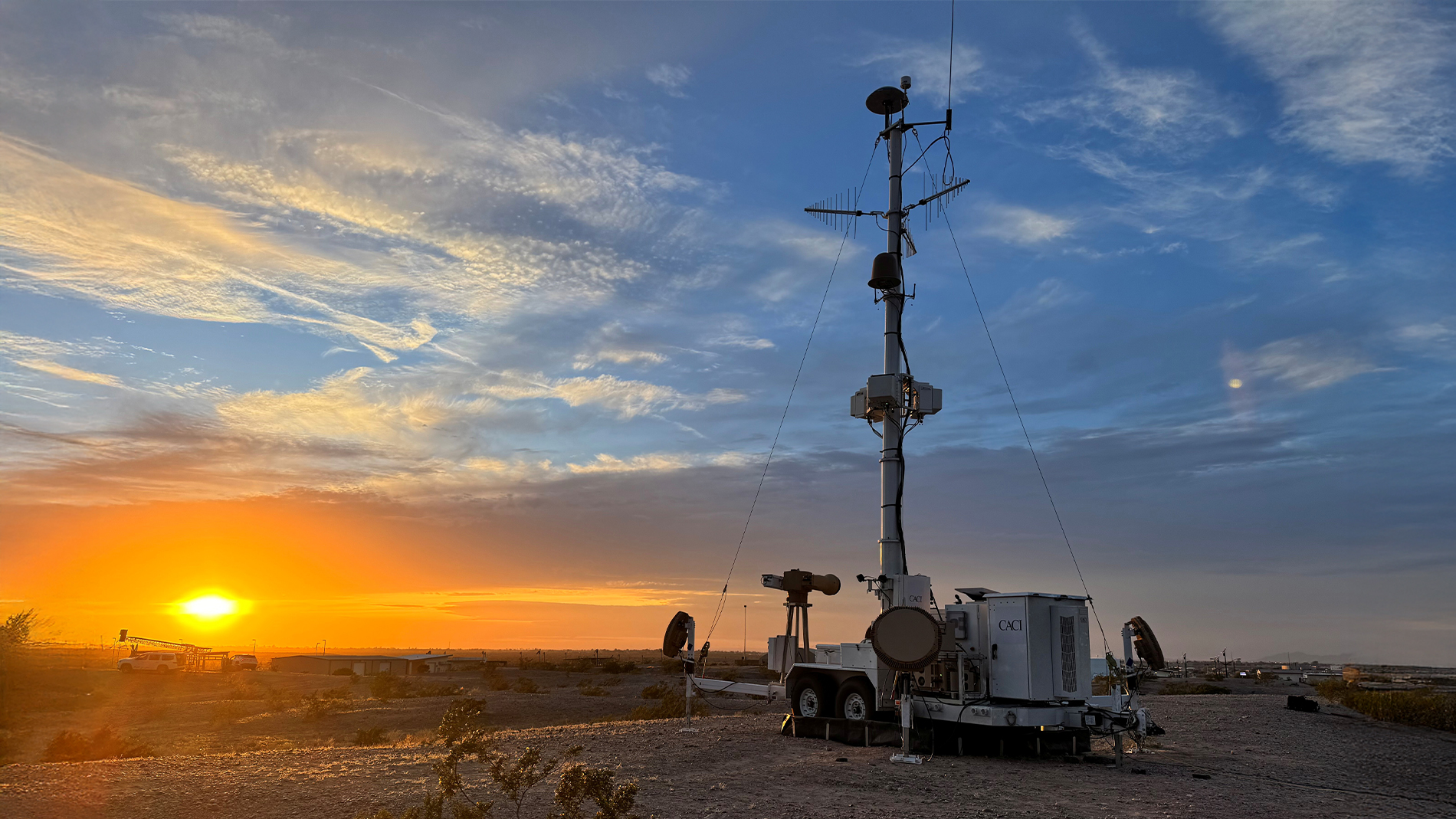
I’ve worked in counter unmanned systems for years, and there are days that stick with you - days when the technology you’ve poured yourself into shows exactly what it’s capable of. May 12th in Yuma was one of those days.
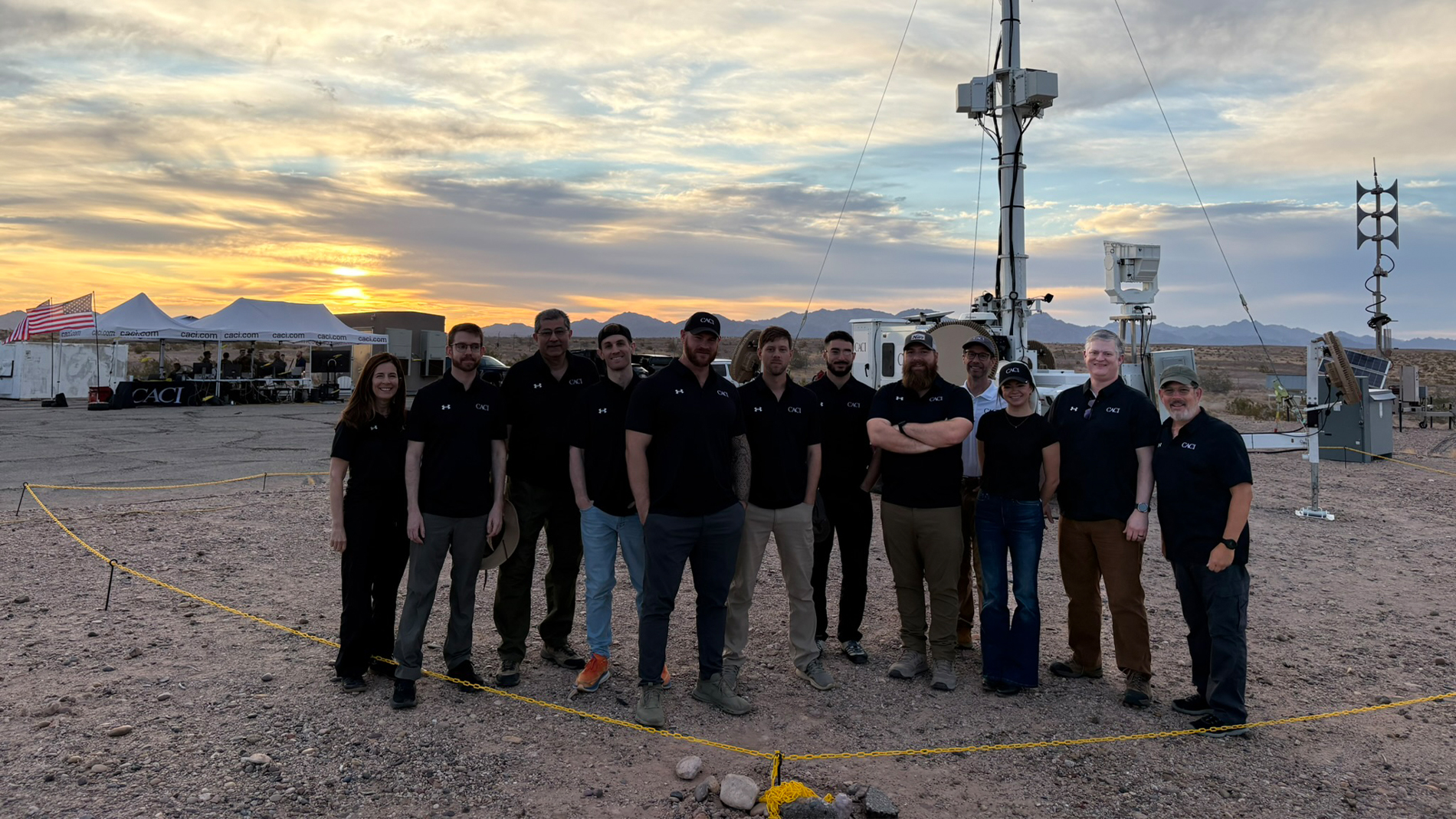
Our team arrived before sunrise, the desert air still cool and the mountains just beginning to glow. At MCAS Yuma, SkyValor had been quietly watching the surrounding airspace since February, but this two day operational evaluation was different. It was our chance to push the system hard - real red team flights, real operators, real conditions - showing what SkyValor can do before it’s deployed more broadly to protect our forces, borders, and critical infrastructure.
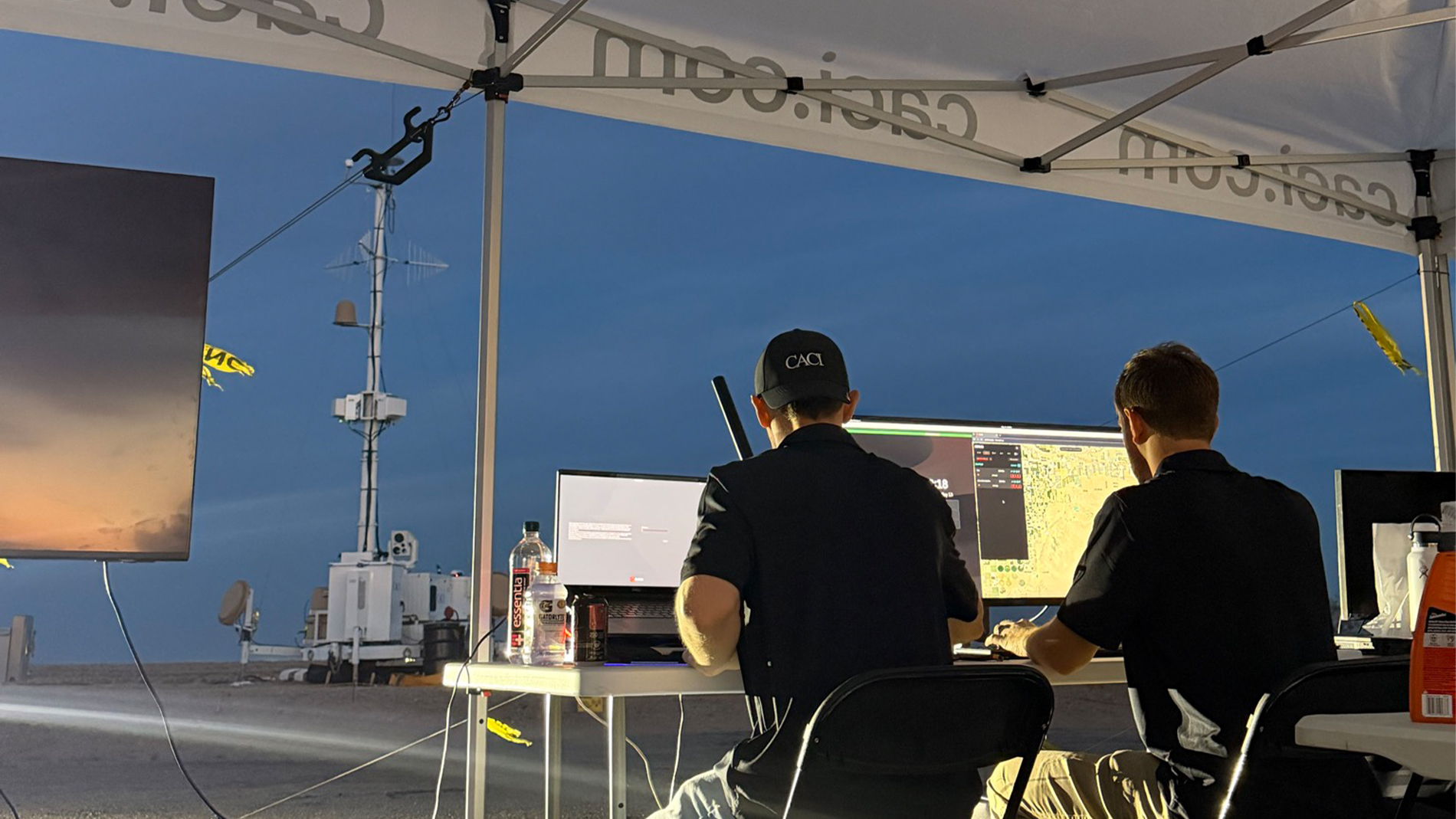
Most SkyValor operations are remote, but for this evaluation we set up a local node under a canopy, it was our little command post in the desert. There’s something grounding about being physically close to the system you usually operate from afar. You feel every detection, every mitigation choice, every technical nuance in a more visceral way.
The Red Team kicked off with flights at 30 kilometers. A white hat observer sat beside us, watching how the system handled each step - detecting drones, locating them, and determining what kind of radio link they were using. This is where SkyValor shines. Built on decades of counter drone experience, it doesn’t just find hostile drones earlier, it gives defenders more time to act and lets us choose the right non kinetic defeat for the threat in front of us.
Simple jamming can stop many off the shelf drones from continuing to advance but new or custom built drones are often more resistant to jamming and can hop frequencies or flip to pre-programmed GPS routes. SkyValor automatically generates tailored defeat options in real time as it analyzes the C2 link. Seeing it identify a common long-range radio used for IOT devices and drones, determine it belongs to a drone, and automatically queue up the correct mitigation was a proud moment for our team. These tailored defeats minimize collateral effects to other devices in the area that are operating in the same frequency band.
Day two moved fast. We wrapped up the final evaluation events before noon and transitioned to a full demonstration in front of representatives from multiple Department of War organizations, including members of the Joint Interagency Task Force 401. Local personnel from Customs and Border Protection had come out, too. There’s an energy in the air when people who perform real operational missions every day watch a system prove itself.
One of the highlights was a close in cyber defeat against a custom drone using a common long range radio. SkyValor identified the signal pattern, generated the right cyber effect, and executed the defeat cleanly - no theatrics, just precision. The drone immediately dropped out of the sky in front of the audience that gathered. But the demonstration that generated the most interest was the cell phone on a drone test. A JIATF-401 representative volunteered their phone to prove we weren’t relying on anything preprogrammed.
Once the drone lifted off, SkyValor isolated that single device from every phone on the ground using its 3D direction finding capability. It’s not easy to differentiate one cellular device in a sea of others, determine its airborne, and identify it as a likely UAS. When our operator executed the cellular defeat technique and severed its link to the tower, you could see the crowd lean in. In a real mission, that would prevent a cellular controlled drone from reaching the intended target.
As the demonstration concluded and we packed up the canopy, I kept coming back to something simple: SkyValor is ready. These evaluations didn’t just validate the system, they showed what it means to have earlier warning, more time to act, and the ability to stop hostile drones without firing a kinetic weapon and risking collateral damage.
With more SkyValor systems heading to the U.S. border and new configurations coming, including a truck mounted variant for national security events, we’re moving toward full rate production. And after seeing what the system accomplished in Yuma, I can say with confidence: we’re delivering something that will change how defenders protect the places and people that matter most.